

How do cities switch direction? Listening to the Mayor of Greater Manchester, Andy Burnham, speak on Manchesters revival at a Centre for Cities event at the Knowledge Hub in the British Library raised the question of how government can help. His inspiring speech prompted me to write on how cities can revalue use their heritage taking the area around Kings Cross as an example.
This blog will be the first in a new series of Postcards, so please sign up. The next ones will be from David Rudlin on the true Manchester story and from Prachi Rampuria on the work that URBED is doing to support transformation in Southern India.
The Kings Cross story of revival
The parallels between Manchester and Kings Cross are interesting as both cities have suffered the effects of industrial decline, resulting in derelict land and buildings next to major stations. Esther Caplin and I have lived just South of Kings Cross for over 25 years in a block of flats owned by Camden Council in an area once described as a hellhole. We have experienced the area’s transformation first hand. Regeneration stories are often mistakenly credited to iconic architecture, public expenditure or inspired developers whereas the truth is usually much more complex. It involves a series of interests collaborating for a common cause over a long period of time.
When coal and steam powered out industry, the areas around railway stations were dirty, noisy and insecure. Places where railway workers lived, such as Somers Town which adjoins Kings Cross, were blighted by steam trains running into St Pancras until Victorian slums were largely redeveloped by the LCC after the First World War. But council ownership was not enough to regenerate an area known for poverty and deprivation.
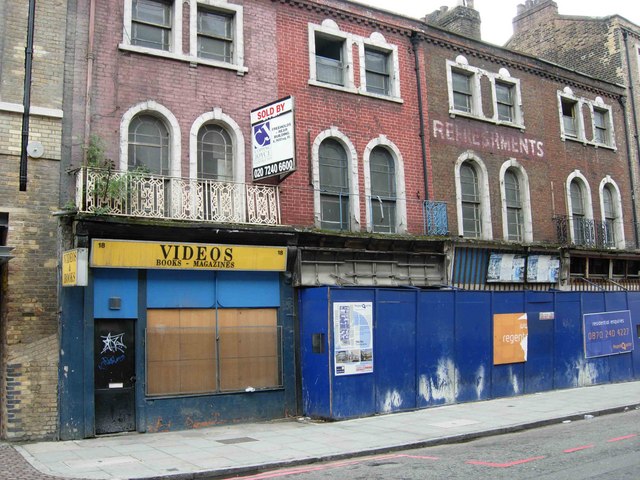
Cromer Street became notorious for drugs and prostitution until its regeneration in 1996, shortly before we moved there. The housing estates had been stigmatised for their poor maintenance and management, and the post-war buildings were being considered for demolition. Life expectancy in the Southern part of the London Borough of Camden is still much shorter than in the Northern part of the Borough, and is still classified as among the most disadvantaged in the country according to the published statistics. However the location is close to now-fashionable Islington, where the early Victorian terraces were restored by urban pioneers, and a short walk from the fine garden squares of Bloomsbury built before the railway arrived.
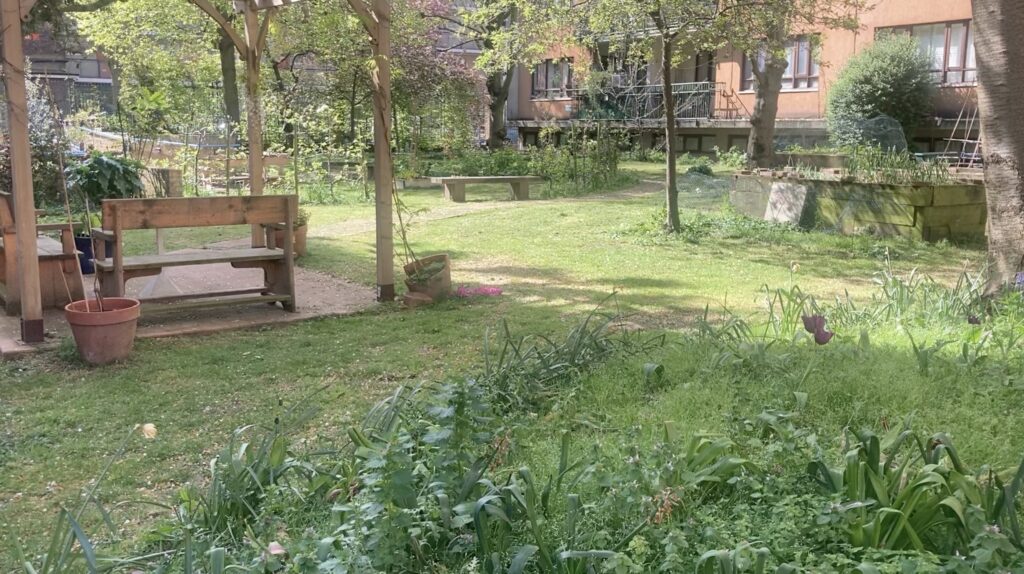
Regeneration proper started in the 1980s with making the area visibly safer to walk around. Late Victorian buildings like Hillview that had been scheduled for demolition were taken over by squatters and then managed by SCH, standing for Shortlife Community Housing, from an office in Cromer Street. Community gardens such as the Calthorpe project or the Camley Street Natural Park which serve as urban oases were set up thanks for local initiatives after having to fight off proposals for redevelopment. They now provide a rich source of social as well as environmental capital, appealing to young and old alike. Housing estates were made secure and common spaces landscaped. The conservation of the area’s heritage boosted property values because it appealed to people like us, but the area is still very cosmopolitan.
Major projects such as the imaginative restoration of St Pancras Station on the North side of the Euston Road undoubtedly helped put the area on the London property map. But it still required battles to save them, in this case of the station buildings led by poet John Betjeman. It was then developed as the terminus for Britain’s first High Speed Line linking through to France, with shops and eating places in the undercroft where beer from Burton was once stored.
Next door the British Library moved to a new building on the site of the former Midland Railway goods yard. This marked the start of a cultural renaissance in what is now promoted as the Knowledge Quarter. But the 100 acre Kings Cross railway lands was much more problematic. Ownership was too fragmented for much to happen, apart from interim uses such a night clubs and raves. Despite the efforts such as the Kings Cross Railway Land Group, the potential was largely ignored.
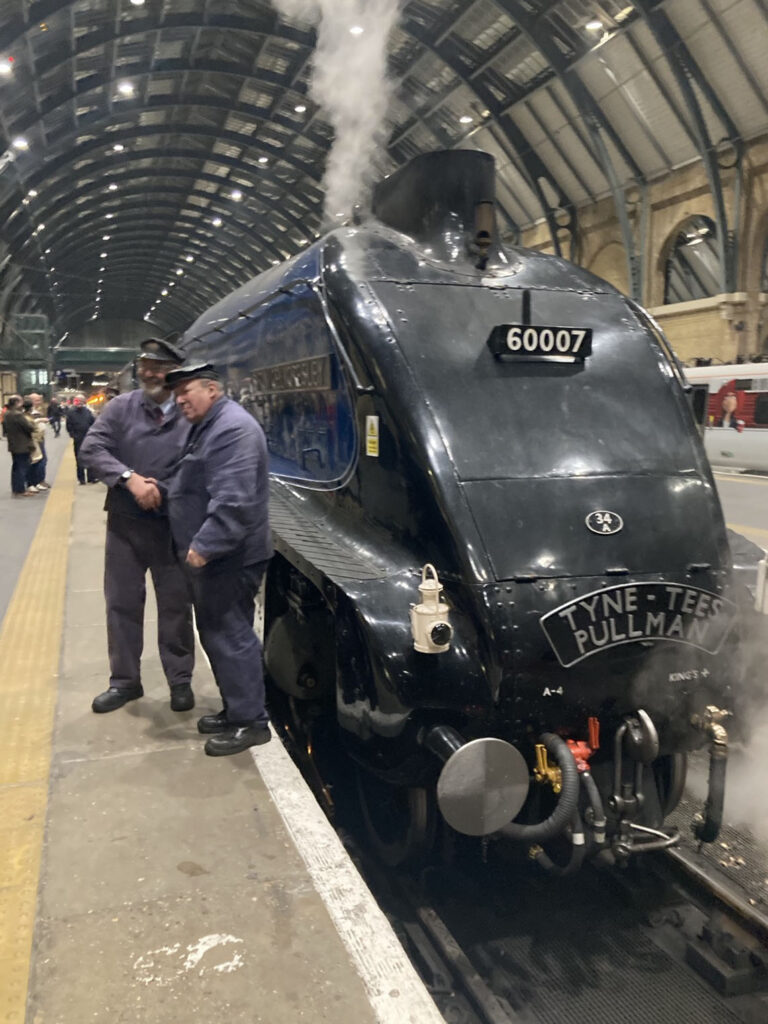
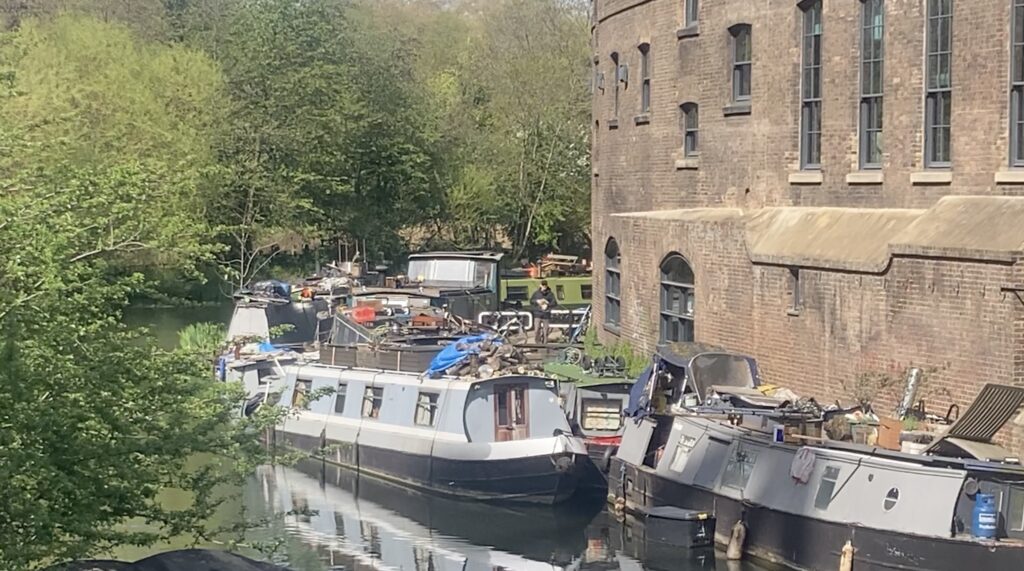
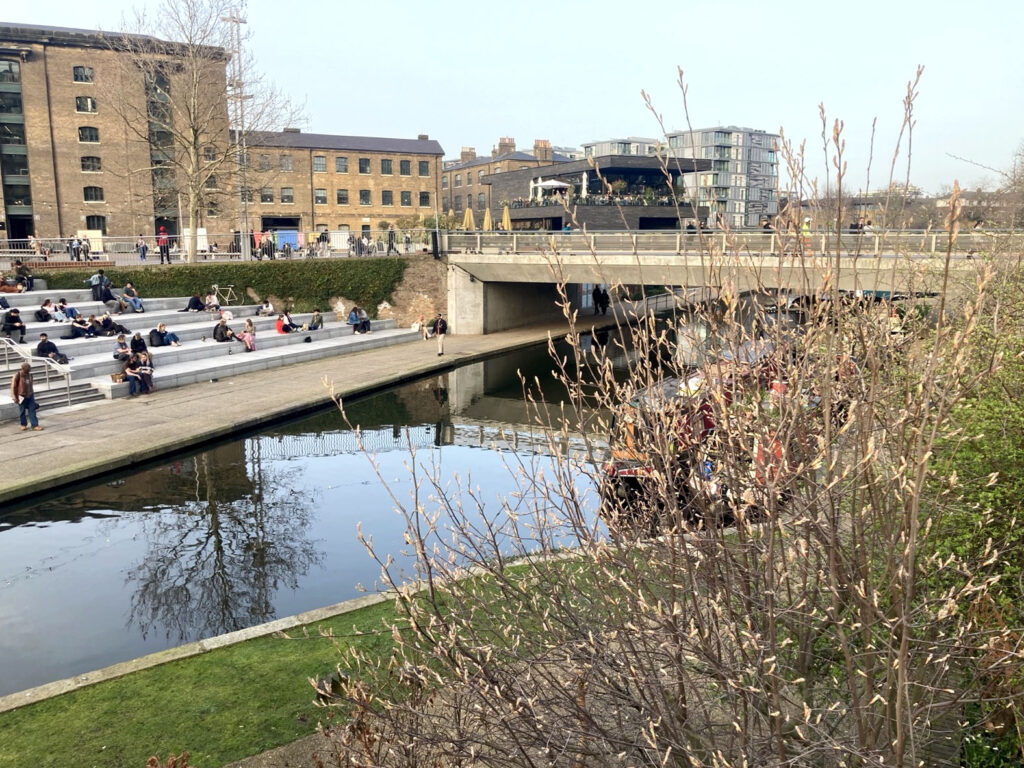
I had first become interested in the area when as a schoolboy I used to visit Kings Cross to enjoy the steam engines. So in the 1980s I was shocked to discover that the derelict Coal and Fish Office were at risk of being demolished. The buildings which overlook the Regents Canal formed part of important set of Victorian industrial buildings including London’s first gas works, the Coal Drops, and the stables for the hundreds of horses that distributed coal around the city. Having set up URBED (Urban and Economic Development) in a warehouse in Covent Garden when London was in a state of decline on the basis of research into how old buildings could be reused, I wanted to use the heritage to initiate a change of direction. So I persuaded Camden and SAVE to back me on a scheme that I presented at the Public Inquiry into their demolition in 1985, Using work by architects and engineers on the significance of this group of industrial buildings and how they could be reused, the buildings were saved.
Two years later I wrote an article with my friend Professor Sir Peter Hall in Town and Country Planning in September 1987 to promote the area’s potential for regeneration. My efforts led to being asked to advise the London Regeneration Consortium, when I met Godfrey Bradman by chance after a meeting with HRH Prince of Wales. When our proposals for adaptive reuse failed to get traction, URBED resigned but the local authority had by then been persuaded to issue a planning brief for the site. The London Regeneration Consortium led by Stuart Lipton and Godfrey Bradman had been unable to persuade British Rail, who owned the Southern part of the site, to support their scheme despite the rival plans from Chicago based SOM and Norman Foster. These were never submitted, and the area continued to languish.
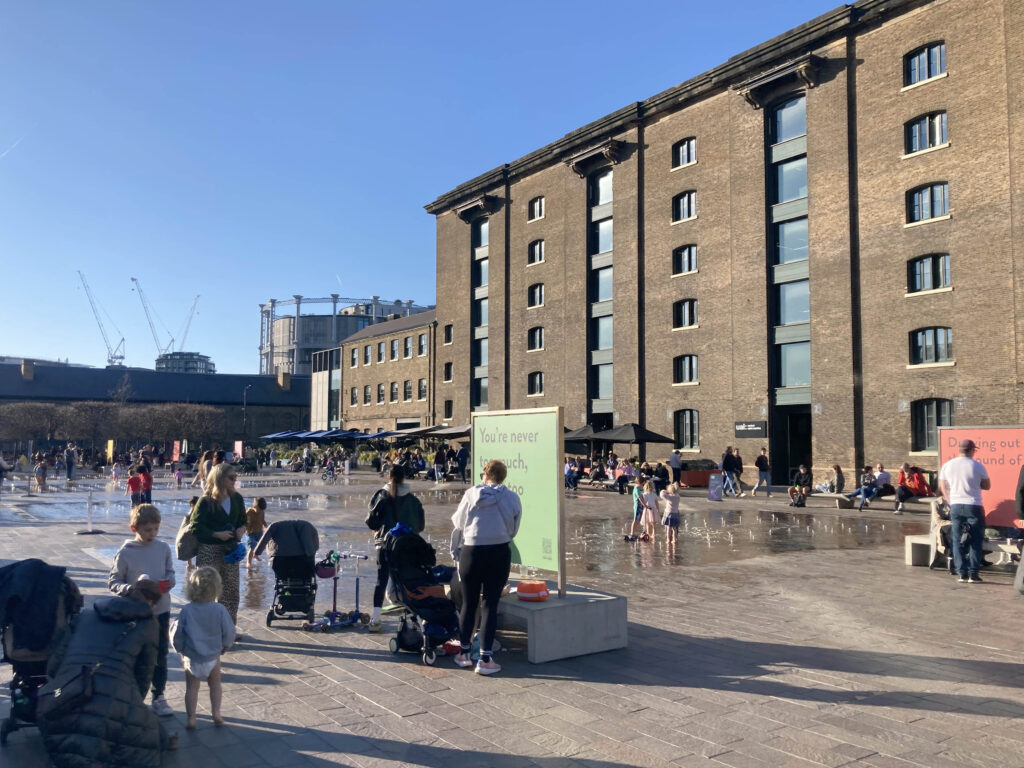
The story started again when Argent, at the time a small development company who had redeveloped the area around the canals in central Birmingham took a very different approach. Extensive consultations led to the publication of a set of Principles for a Human City (PDF), which won the support of Camden Council and English Heritage. The government wisely transferred the ownerships to London and Continental Railways, a subsidiary of the Treasury, which was set up to benefit from developments around stations on the High-Speed Line to France. Argent commissioned a variety of architects to come up with plans for different parts of what is now a 67 acre site, as HS1 to St Pancras cut off a third of the site. The development framework was set out in an exemplary Urban Design Statement with offices on the land nearest the station, and housing to the north around a park. Their philosophy, as in Birmingham, was to open the site with first class landscaping.
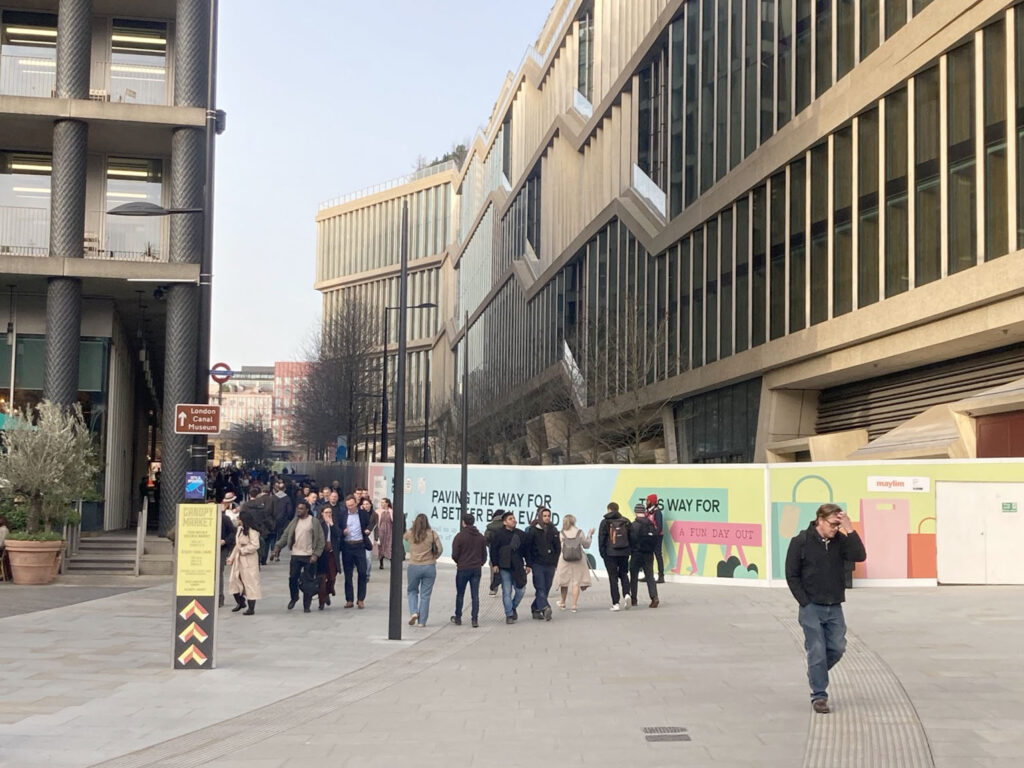
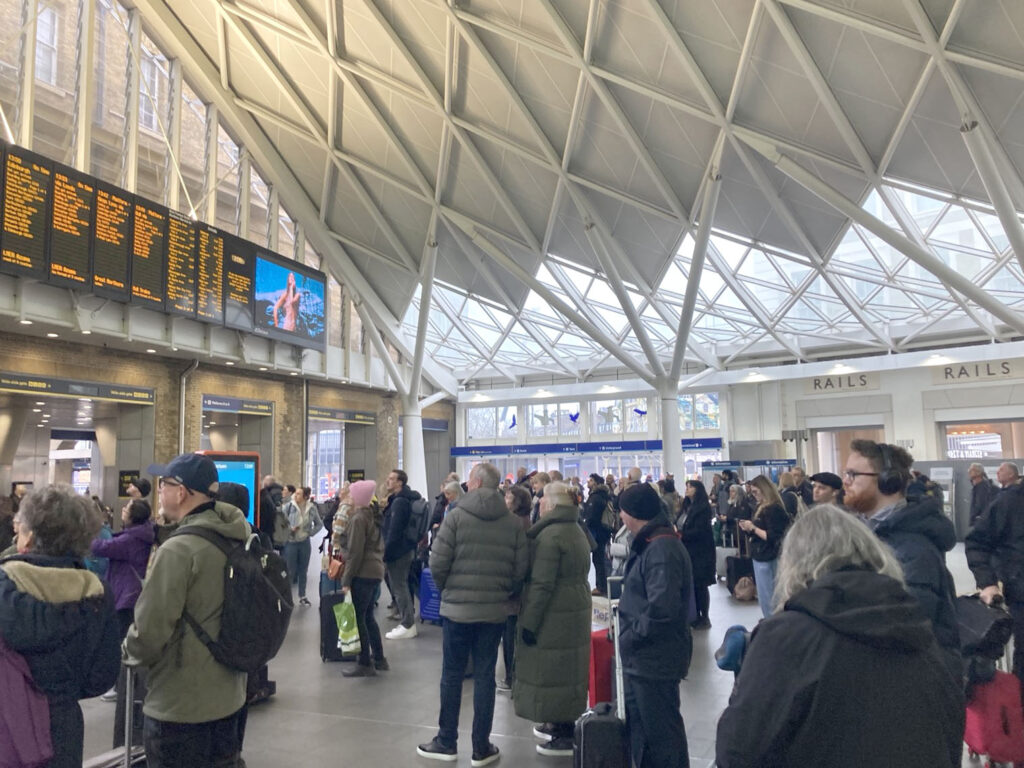
But how do you revive such a large and run-down area notorious for crime and prostitution. The breakthrough came when Roger Madelin at Argent met up with the head of the newly formed University of the Arts, which had to move out of central London and they saw the potential of redeveloping the Granary as their main campus. This attracted the creative people needed to give the area an exciting image and also the first customers for new places to eat. In time the area has become a kind of urban resort. This social capital was surely was a key factor in Google establishing their offices in the stunning new building alongside the railway line into Kings Cross. This was instead of the City law firms that had previously been anticipated. Kings Cross station has also benefitted from a striking new concourse and exit from the Underground to the Regents Canal. A landscaped square with food stalls followed.
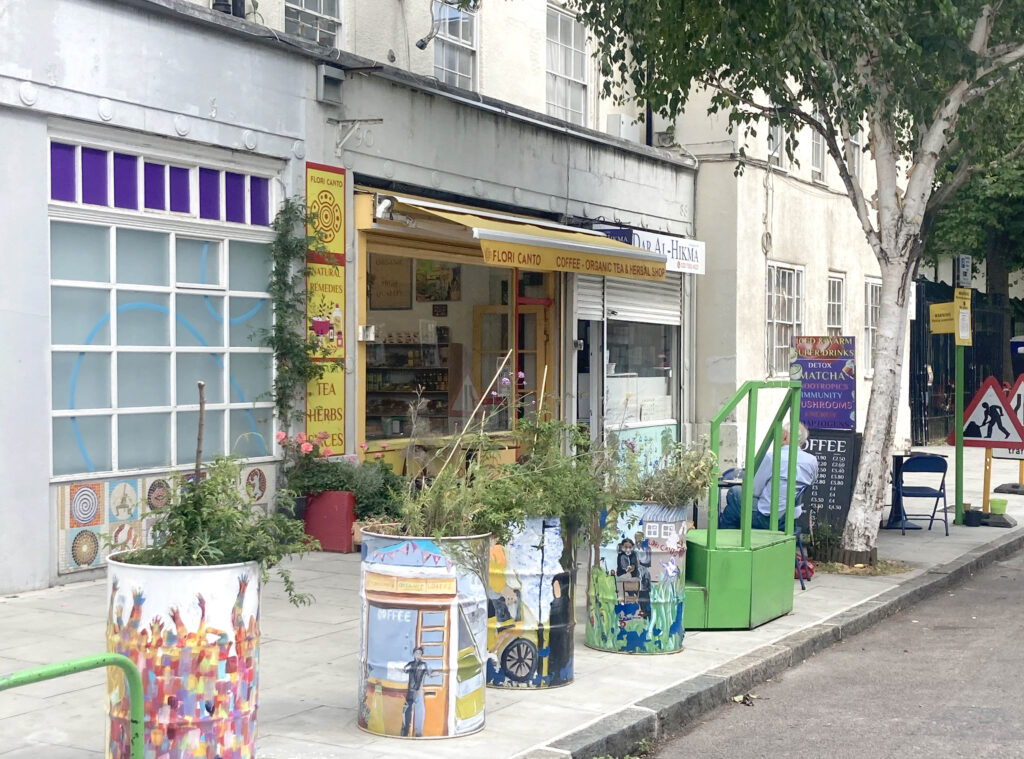
At the same time the adjoining area of Somers Town has also undergone regeneration, but of a very different kind. The fine early 20th century municipal housing estates inspired by their equivalent in Vienna were restored under Labour’s housing programme into larger flats, which suited the many Bangladeshi families that had moved in. The area then benefitted from attracting a range of entrepreneurs, such as Global Generation and one of the principal sources of venture capital in London. Esther became actively involved in one of the schools and we ran an event on A New Heart for Somers Town to draw attention to the potential for transforming the wider area when the school was rebuilt. Regeneration benefited from a mix of finance as well as a mix of uses, for example Camden developed a block of private flats next to the Crick Institute where cures for cancer are researched using the Community Investment programme. These two very different quarters show how a careful form of urban renewal can secure a post-industrial revolution that benefits both the existing and the new communities.
Some lessons for urban regeneration
The publicity given to the changes around Kings Cross and St Pancras, hopefully will encourage quality development around Euston, where space is being prepared for the terminus of High Speed 2, which initially will run from Birmingham Curzon Street to an interchange at Old Oak Common. It may also influence the development of the area around Manchester Piccadilly, where London and Continental Railways are also involved. The government seems to have taken up Richard Simmons and my recommendation for using stations as development hubs. A joint venture has been launched by Network Rail called Platform4. But with very limited public finance for development, and costs turning out to be double their European equivalents, what lessons could be learned from experience to date?
- Regeneration takes time: I often say regeneration takes a generation but in fact it takes much longer to build consensus and remove all the barriers. So a programme of interim or meanwhile uses is called for to act as beacons that show the way. My article proposing a Green Web to encourage growth instead of a sterile green belt argues for using the power of nature to transform the gateways to railway stations and town centres.
- Public control of land is key: There is little point relying on private developers to provide the ideas and investment until the basic uncertainties are resolved. The French do much better because they use ZACs, standing for Zones d’Amenagement Concertes to join up the different infrastructure providers, and to avoid being held to ransom by land owners or speculators.
- Creativity creates value: Whether it is music or the other arts, the cultural pioneers need space on favourable terms. It requires imagination to see the potential of an industrial areas heritage, an understanding of what has worked in similar situations elsewhere, but also the means of sustaining what gives an area a buzz. It is better to provide interim uses than leave sites to decay. But there also needs to be ongoing maintenance. URBED had originally proposed setting up a trust to give the surrounding communities a long-term stake in the area’s development.
- Financial partnerships must be brokered: The formula for successful regeneration cannot be set out in a spreadsheet however complex. This is because the process involves combining social and environmental capital through alliances that will change over time. All the best stories seem to follow a simple ABC of the Ambition to create a better place, often inspired by what others have done, the Brokerage to bring different interests together, and above the Continuity that comes from an alliance of organisations working together with the right leadership.
- Good urban design adds value: The new urban quarter at Kings Cross gets acclaim and masses of visitors because it works so well as a place. This is due to the way the streets and spaces are laid out rather than simply the quality of individual buildings, which fit together so well. Success can be attributed to the urban design framework, which stated: Our vision for King’s Cross Central is one of both diversity and cohesion. A new, high density, mixed use piece of city which fitsnaturally into and grows out of its context.
This simple vision should be translated into reality wherever there is undervalued space next to a transport hub.
Further reading
Making places: The role of regeneration in levelling up by By Stuart Bridgett, Tom Leeman, Anthony Breach published by the Centre for Cities, 2022
Much use of the word stunning to describe the mediocre and soulless. What is stunning is the cold brutal reality of planning by corporate credit card.
Excellent Analysis. We should follow it here in California.
Thanks, Nick for this fascinating summary of the regeneration of Kings Cross and congratulations for your contribution to it.
Very well worth a read. I look forward to the next installment looking at Manchester
Excellent and informative article about a very successful area regeneration project Nick. The bit I would have liked to see more on was the land assembly process around KC. Was it mainly down to L& C and what role did Argent play?