Smarter Urbanisation and Rapid Growth HFA

Authors:

Dr Nicholas Falk

Date:

March 2022

Themes:

Economic growth and land management

Housing and community

Technology and innovation

Locations:

Tags:

Summary:

Cities need to change direction fast, if we are to satisfy our needs and retain social values. As the world tips towards the East, and to ‘mega cities’ of more than 10 million inhabitants, countries such as the UK need to offer better models for how to manage growth. The young and the poor feel squeezed out of the residential property markets. But we all complain of congestion, pollution and stress, despite the promised benefits of the Digital Revolution. What is to be done?

Ask a question of this publication

Our AI assistant has read this publication, so it can answer questions relevant to your area of interest. Try asking it a question, such as:

Ask a question above to see the response here

Disclaimer: The answers provided are generated by machine trained on the content of this publication, but may incorporate extraneous or inaccurate information. Please use your discretion and caution when interpreting these answers.

Nicholas Falk highlights the urgent need for cities to adapt swiftly to rapid growth, especially in mega-cities, by adopting smarter urban planning. The focus is on principles of social equity, environmental sustainability, and economic efficiency—the three E’s.

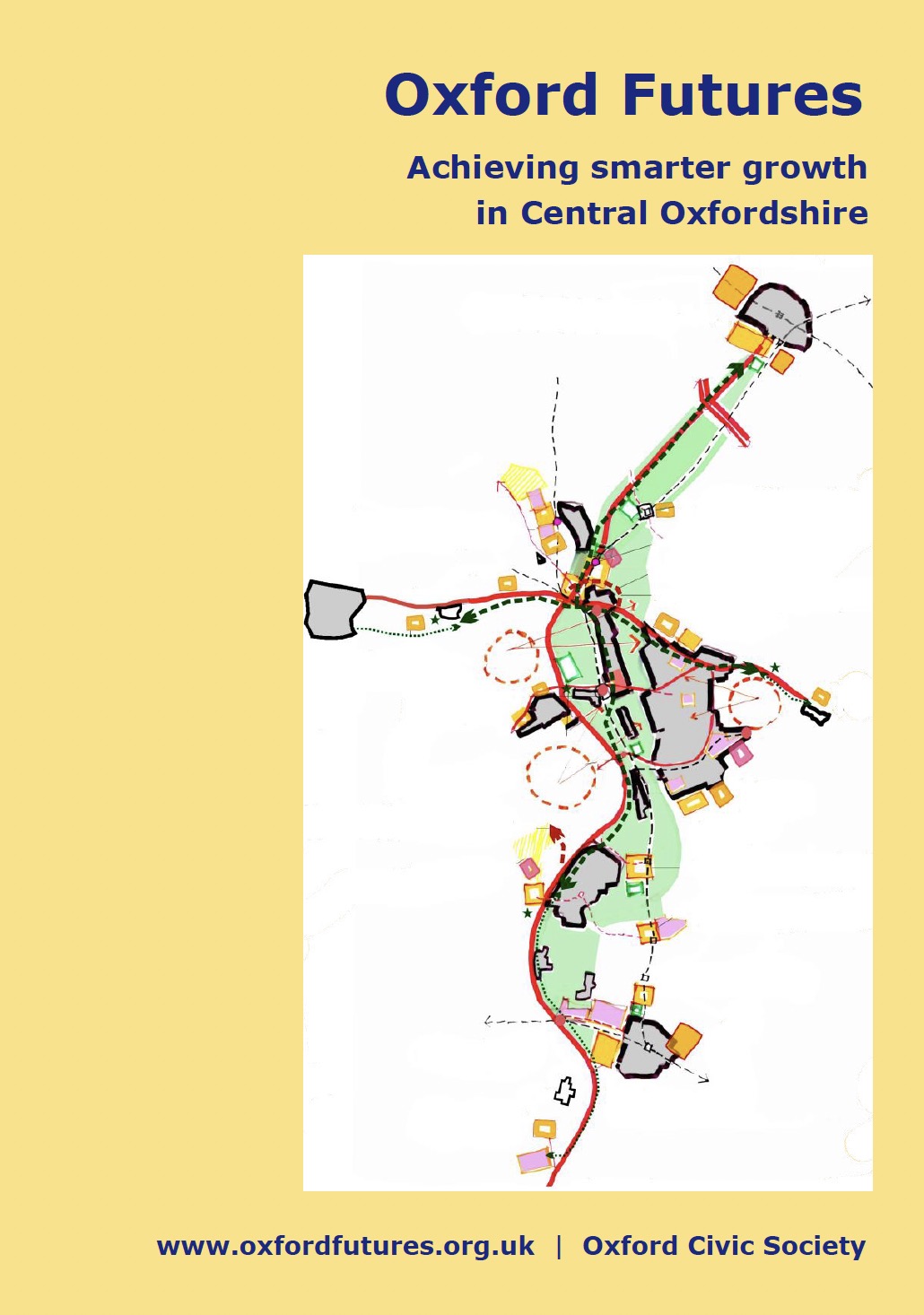
He advocates for strategic, compact development inspired by European cities like Freiburg and Montpellier. The garden city model, funded through land value uplift, is proposed to create attractive and viable communities. Examples include Uxcester garden city and projects in Oxford, demonstrating how land development can finance infrastructure such as tram lines and parks.

Cities like Singapore and Silicon Valley exemplify high-ranking smart cities that integrate nature and innovative infrastructure. The report stresses the importance of community partnerships, development corporations, and local trusts for sustainable growth.

By adopting successful models and fostering collaboration, cities can better manage growth, improve liveability, and address housing shortages effectively.